Blog
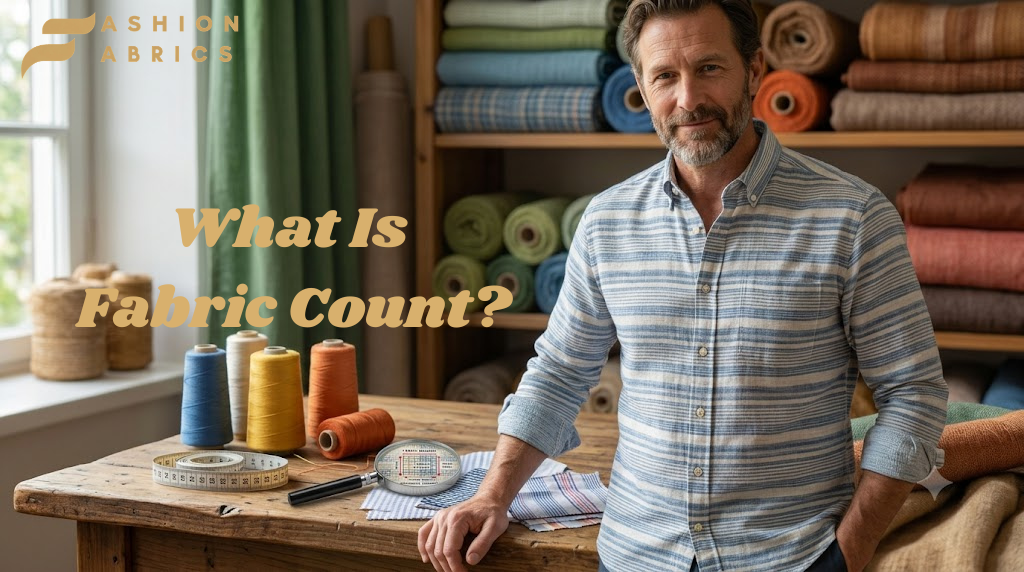
When shopping for premium shirting or suiting fabric, you may see terms like 80s, 100s, 120s, or 140s. But what do these numbers actually mean?
Fabric count generally refers to the fineness of the yarn used to make a fabric. In many traditional textile numbering systems, a higher count indicates a finer yarn. However, the exact meaning of a count can vary depending on the fibre, yarn-count system and textile convention.
For shoppers, the important point is simple: a higher fabric count can contribute to a finer, smoother and more refined fabric, but a higher number does not automatically mean better quality.
The fibre, weave, construction, finishing and intended use all play an important role.
What Is Fabric Count?
Fabric count is a way of describing the fineness of yarn used in textile production. You will often see numbers such as 80s, 100s, 120s and 140s when looking at premium cotton supima, wool and other fine fabrics.
The higher number generally indicates a finer yarn within the relevant counting system. Finer yarns can be used to create fabrics with a smooth hand feel, refined appearance and lighter construction.
However, fabric count should never be considered on its own.
Two fabrics with the same count can feel and perform differently because they may use different fibres, yarn qualities, weaving methods or finishing processes.
That is why experienced fabric buyers look beyond the number on the label.
What Do 80s, 100s, 120s and 140s Mean?
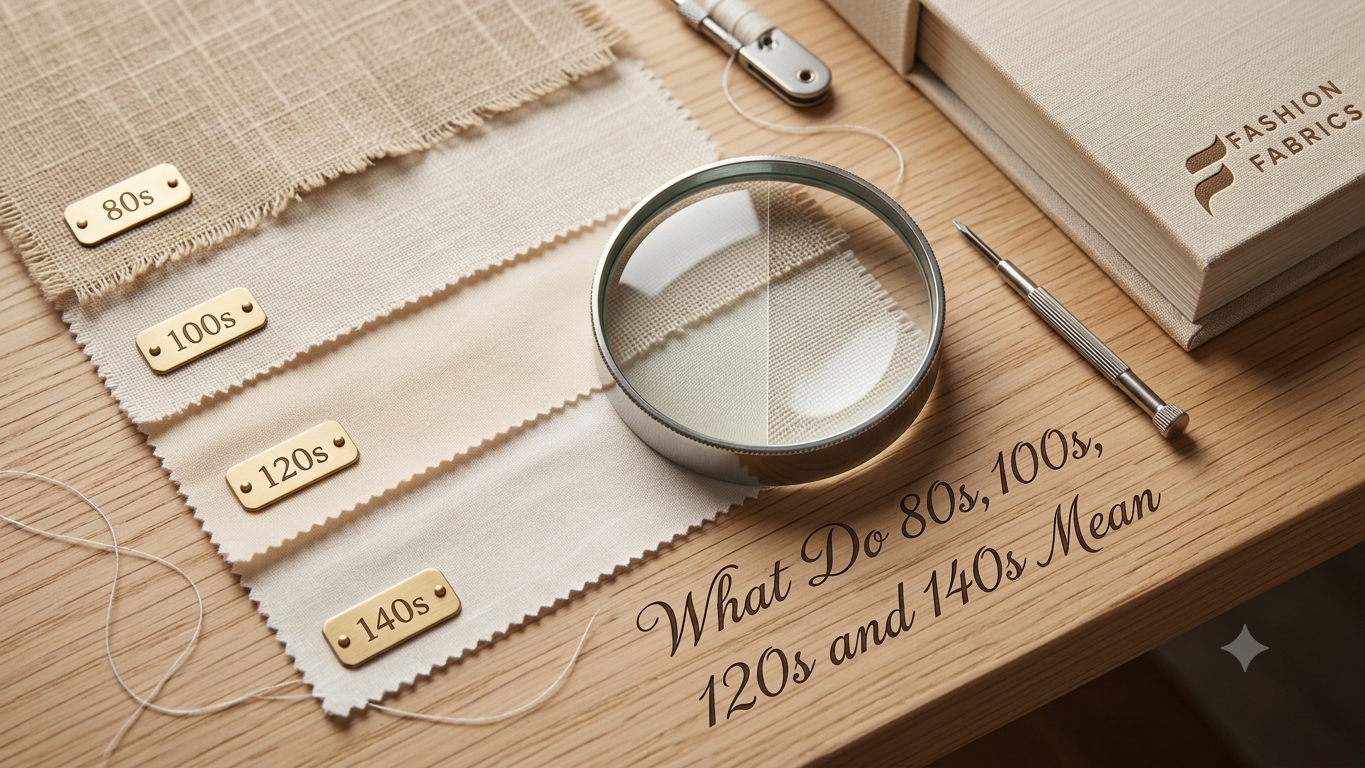
The easiest way to understand fabric count is to compare the different numbers.
What Is 80s Fabric?
An 80s fabric uses a relatively fine yarn and can offer a good balance between comfort, appearance and everyday practicality.
Depending on the fibre and construction, fabrics around this count can work well for shirts and other garments where you want a refined look without choosing an especially delicate fabric.
For regular wear, the overall fabric construction is just as important as the count.
What Is 100s Fabric?
100s fabric uses a finer yarn than 80s fabric within the same counting system.
It can provide a smoother and more refined appearance, making it a popular choice for smart shirts and tailored clothing.
If you are looking for a fabric that feels polished while remaining practical, 100s can be an appealing option.
What Is 120s Fabric?
120s fabrics use a finer yarn and are often associated with premium shirting and tailoring.
A well-made 120s fabric can offer a soft hand feel, elegant appearance and comfortable drape. It is a popular choice for people who want something more refined for tailored shirts or formal dressing.
At the same time, the number alone does not tell the whole story. Fibre quality and fabric construction remain essential.
What Is 140s Fabric?
140s represents an even finer yarn count within the relevant system.
These fabrics can offer an especially refined feel and appearance when produced from high-quality fibres and carefully woven.
They can be a strong choice for luxury shirting and high-end tailoring, particularly when softness, finesse and presentation are priorities.
However, a 140s fabric is not automatically the right choice for everyone. Your lifestyle, climate, preferred feel and intended garment should all influence your decision.
80s vs 100s vs 120s vs 140s Fabric
Here is a simple comparison:
| Fabric Count | General Character | Common Consideration |
|---|---|---|
| 80s | Fine and practical | Everyday premium clothing |
| 100s | Finer and smooth | Smart shirts and tailored wear |
| 120s | Very fine and refined | Premium shirting and tailoring |
| 140s | Exceptionally fine within the relevant system | Luxury-focused garments |
This table is only a general guide. Actual fabric performance depends on the fibre, yarn construction, weave, finishing and manufacturer.
Does a Higher Fabric Count Mean Better Quality?
Not necessarily.
It is easy to assume that a 140s fabric must always be better than a 100s fabric. In reality, fabric quality is more complicated.
Consider these factors:
Fibre Quality
The raw material has a major effect on the finished fabric. High-quality cotton, wool, linen and other fibres can produce excellent fabrics when properly processed.
Yarn Quality
Two fabrics with a similar count can have very different characteristics depending on how the yarn was spun and finished.
Weave
Poplin, twill, Oxford, Panama and other weaves create different textures, structures and performance characteristics.
Fabric Construction
The way the fabric is woven and finished affects its strength, drape, breathability and appearance.
Finishing
Finishing processes can influence softness, smoothness, lustre and the overall feel of the material.
So, rather than simply asking, “What is the highest fabric count?”, it is better to ask:
“Which fabric offers the right combination of quality, comfort, appearance and performance for my garment?”
Fabric Count vs Thread Count: Are They the Same?
No. Fabric count and thread count should not automatically be treated as the same thing.
Fabric count terms such as 80s, 100s, 120s and 140s can refer to yarn fineness under a particular textile counting system. Thread count is a different measurement that is commonly used to describe the number of threads in a given area of fabric.
The terminology can also differ between fibres and textile industries.
This is why comparing fabrics based only on numbers can sometimes be misleading. It is better to consider the complete fabric specification.
Which Fabric Count Is Best for Shirts?
There is no single fabric count that is best for every shirt.
Your choice should depend on how and where you plan to wear the shirt.
For Everyday Shirts
An 80s or 100s fabric may provide a practical balance of comfort, appearance and durability, depending on the fibre and construction.
For Premium Shirts
A 100s or 120s fabric can be a good choice if you want a more refined appearance and softer hand feel.
For Luxury Shirting
A carefully produced 120s or 140s fabric may appeal to customers looking for a particularly fine and sophisticated fabric.
However, climate matters too. A fabric that feels wonderful in one setting may not be the most practical choice in another.
How to Choose the Right Fabric Count

Before choosing your fabric, consider these questions:
1. What are you making?
A formal shirt, everyday shirt, suit or special-occasion garment may require different characteristics.
2. Where will you wear it?
Climate and season can influence the ideal fabric weight and construction.
3. How often will you wear it?
For regular use, durability and easy care may matter more than choosing the finest available yarn.
4. What feel do you prefer?
Some people prefer a crisp shirt, while others prefer something softer and smoother.
5. What is the complete fabric specification?
Look at the fibre, weave, construction and finishing—not just the count. For example, 2 ply Giza cotton fabric can offer a refined feel and balanced structure for premium shirting, making it worth considering alongside the fabric count.
Why Premium Fabric Brands Matter
Fabric count is useful, but the reputation and expertise of the fabric manufacturer can also help when assessing quality.
Established mills and fabric houses often have extensive experience in selecting fibres, developing yarns, weaving fabrics and refining finishing techniques.
At The Fashion Fabric, you can explore fabrics from recognised names across premium shirting and suiting collections, including brands such as Monti Tessitura shirt fabric , Albini shirt fabrics, Reid & Taylor, Irish Linen fabric, Cavalero italy fabric , Moretti Canetti. and Vercelli fabric
This gives you the opportunity to compare fabrics not just by count, but also by fibre, weave, texture, finish and intended use.
Frequently Asked Questions About Fabric Count
What is fabric count?
Fabric count generally describes the fineness of the yarn used to make a fabric. Terms such as 80s, 100s, 120s and 140s are used in various textile counting systems, with higher numbers generally indicating finer yarns within the relevant system.
Is 120s fabric better than 100s?
Not automatically. A 120s fabric uses a finer yarn within the relevant counting system, but overall quality also depends on fibre quality, weave, construction and finishing.
What does 140s mean in fabric?
140s generally indicates a very fine yarn count within the applicable textile counting system. Such fabrics can provide a refined and luxurious feel, although the actual characteristics depend on the fibre and construction.
Is higher fabric count always better?
No. A higher count does not automatically mean better fabric. The right choice depends on the intended garment, fibre, weave, durability, comfort and personal preference.
What fabric count is best for shirts?
There is no universal answer. 80s and 100s can work well for practical shirts, while 100s, 120s and 140s can be suitable for increasingly refined shirting, depending on the fabric’s fibre and construction.
What is the difference between fabric count and thread count?
They are different concepts. Fabric count can refer to yarn fineness under a particular counting system, while thread count generally refers to the number of threads within a specified area of fabric.
Does fabric count affect softness?
It can. Finer yarns can contribute to a smoother and softer fabric, but softness also depends on the fibre, spinning, weaving and finishing processes.
How do I choose between 120s and 140s fabric?
Consider how you plan to use the garment. If you want a refined premium fabric, both can be worth considering. Compare the actual fibre, weave, weight, finish and construction rather than choosing based only on the higher number.
Look Beyond the Number
Understanding fabric count makes it easier to compare premium fabrics, but the number on the label should never be the only factor behind your decision.
An 80s, 100s, 120s or 140s fabric can each have a place in a well-planned wardrobe. What matters is finding the right combination of fibre, yarn, weave, construction, finish, comfort and intended use.
If you are choosing fabric for a tailored shirt or suit, explore The Fashion Fabric.com premium fabric collections and compare the available options based on the qualities that matter most to you. For more fabric inspiration, new arrivals and collection updates, follow The Fashion Fabrics on Instagram and stay connected with the latest trends in premium fabrics.
The right fabric isn’t necessarily the one with the biggest number—it’s the one that works best for your garment.